


What are forever flowers? A complete guide
TL;DR:
- Forever flowers are real blooms preserved through methods like glycerin replacement or freeze-drying, lasting up to several years. Proper care involves avoiding water, direct sunlight, and handling to maintain their appearance, with the preservation method influencing their texture and longevity. They offer a low-maintenance, sustainable alternative to fresh flowers for décor and keepsakes.
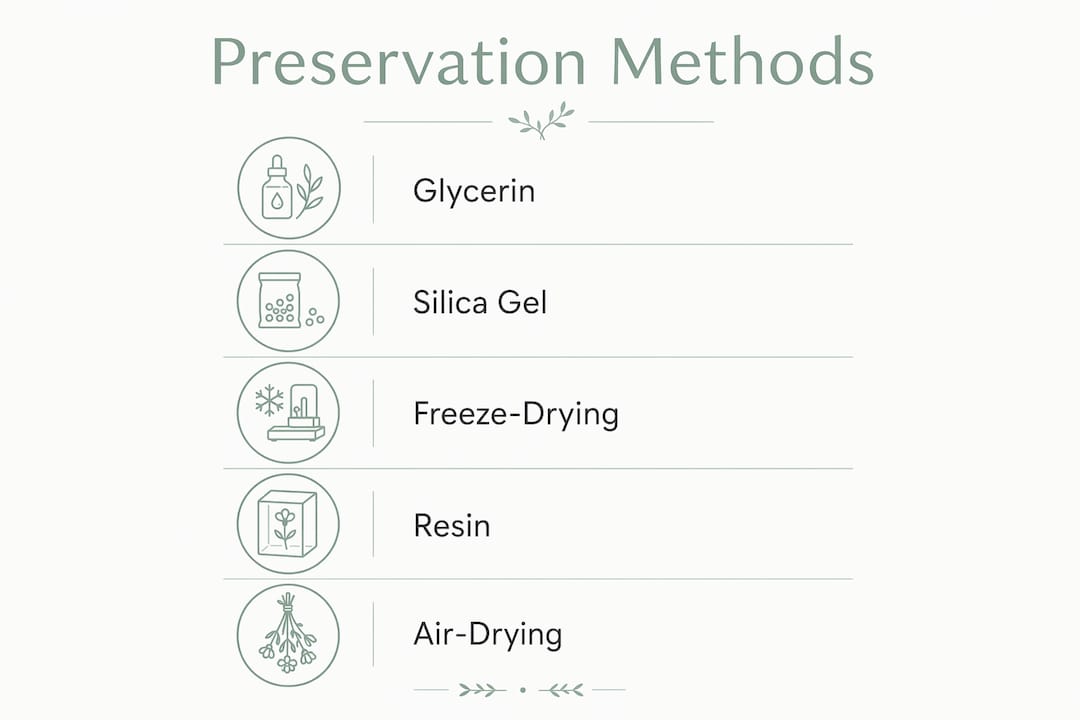
Forever flowers are real, natural blooms preserved through chemical and drying processes to last 1–3 years, far beyond the 12-day life of a typical fresh-cut flower. The industry term is “preserved flowers,” though “forever flowers” has become the widely recognised consumer label. Preservation techniques include glycerin replacement, silica gel drying, and professional freeze-drying. Each method produces a different result in terms of texture, colour retention, and longevity. Understanding the differences helps you choose the right type for your home, occasion, or gift.
How are forever flowers preserved?
Preserved flowers maintain their appearance because the natural moisture inside the bloom is replaced or removed before it can decay. The method used determines how the flower looks, feels, and lasts.
Glycerin preservation
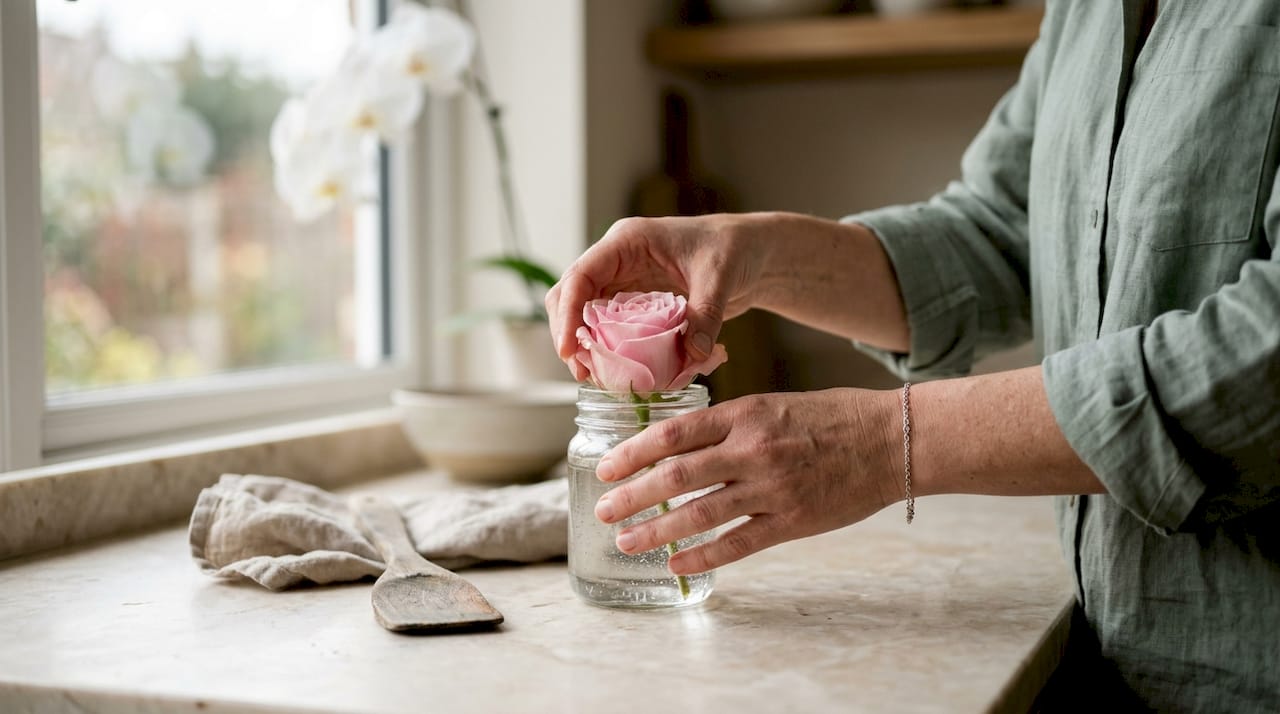
Glycerin preservation works by replacing the flower’s natural sap with vegetable glycerin. The glycerin keeps petals soft and pliable, which is why glycerin-preserved roses feel almost identical to fresh ones. Florists often add dyes during this process to maintain or enhance colour. The result is a bloom that holds its shape and softness for 1–3 years under the right conditions.
Silica gel and air-drying
Silica gel draws moisture out of petals rapidly, locking in the flower’s shape at its peak. Air-drying is the simplest method: flowers are hung upside down in a dry, dark space for several weeks. Both techniques produce a drier, more brittle result than glycerin. They suit flowers with sturdy petals, such as lavender, statice, and roses, better than delicate varieties.
Freeze-drying
Freeze-drying is the most technically demanding method. The flower is frozen and then placed in a vacuum chamber, which removes moisture without the bloom collapsing. The result closely mirrors the original flower’s appearance and colour. Professional freeze-drying can cost upwards of £700 per arrangement, which reflects the specialist equipment required. This method is most common for wedding bouquets intended as keepsakes.
Resin preservation
Resin encases the flower in a clear block, creating a striking three-dimensional display piece. The trade-off is longevity. Resin blocks yellow within 12–24 months despite UV-stabilising additives, making resin art better suited to short-term decorative pieces than lasting heirlooms. If longevity is the priority, glycerin or freeze-drying are stronger choices.
| Method | Texture result | Typical lifespan | Approximate cost |
|---|---|---|---|
| Glycerin | Soft, pliable | 1–3 years | Moderate (professional) |
| Air-drying | Brittle, papery | 1–2 years | Free (DIY) |
| Silica gel | Firm, detailed | 1–2 years | Low (DIY) |
| Freeze-drying | Near-fresh | Up to 5 years | High (£700+) |
| Resin | Rigid, glassy | 12–24 months visually | Low to moderate |
Pro Tip: If you want preserved flowers that feel as close to fresh as possible, choose glycerin-preserved blooms. If you want maximum lifespan for a sentimental arrangement, invest in professional freeze-drying.
What types of preserved flowers are available?
The range of forever flowers on the market is broader than most people expect. Knowing the differences helps you match the right type to your purpose.
Preserved organic flowers
Ecuadorian roses are the most popular choice for glycerin preservation. They are grown specifically for their large, symmetrical heads and dense petals, which hold their structure well through the preservation process. Buttercups, peonies, and hydrangeas are also commonly preserved, though their delicate petals require more careful handling post-treatment. These flowers look and feel closest to fresh blooms.
Metal-finished roses
Metal-finished roses are designed for indefinite longevity. A real rose is coated in a thin layer of gold, silver, or copper, making it far less vulnerable to humidity and handling than organic preserved flowers. They function more as decorative objects than floral arrangements, and they suit contemporary or luxury interiors well. Their lifespan is essentially unlimited under normal display conditions.
Dried and pressed flowers
Dried flowers, including pampas grass, bunny tails, and dried citrus slices, have become a strong decorative trend. They are brittle compared to glycerin-preserved blooms but carry a natural, earthy aesthetic. Pressed flowers are used primarily in framed art, resin jewellery, and stationery. Neither type requires any maintenance beyond keeping them dry and away from direct light.
Silk and faux flowers
Some retailers label silk or fabric flowers as “forever flowers.” These are not preserved real flowers. They are entirely synthetic and carry none of the tactile or organic qualities of a preserved bloom. They do last indefinitely and require no care, but they do not have the same visual depth or natural variation as a real preserved flower. The distinction matters when you are buying as a gift or for a luxury display.
Pro Tip: Always check whether a product is described as “preserved” or “real” before purchasing. Silk flowers sold as forever flowers are a different product category entirely.
How to care for forever flowers
Caring for preserved flowers is almost entirely about what not to do. The most common mistake is treating them like fresh flowers.
- Never water or mist them. Water disrupts the preservation balance, causing softening, discolouration, and mould. Preserved flowers need no moisture whatsoever.
- Keep them away from direct sunlight. UV exposure fades the dyes used in glycerin preservation. Direct light and high humidity are the two fastest ways to shorten a preserved flower’s lifespan.
- Minimise handling. Skin oils accelerate petal breakdown in preserved blooms. If you need to move an arrangement, handle the container rather than the flowers themselves.
- Do not reposition flowers within their display. Removing preserved blooms from their original holder increases the risk of physical damage and removes the structural support that keeps them intact. Industry practice advises minimal repositioning after arrangement.
- Avoid sprays and oils. Products not specifically designed for preserved flowers will coat the petals and accelerate deterioration. Do not use furniture polish, air freshener, or floral sprays near them.
- Choose the right location. A cool, dry room away from windows, radiators, and kitchens is ideal. Display domes and glass boxes offer additional protection from dust and humidity.
For luxury flower arrangements at home, the same environmental principles apply whether the flowers are fresh or preserved.
Metal-finished roses follow slightly different rules. They tolerate more humidity and handling than organic preserved flowers, but they still benefit from being kept away from moisture to prevent tarnishing of the metal coating.
Pro Tip: A glass display dome is the single best investment for a preserved flower arrangement. It blocks dust, reduces humidity fluctuation, and prevents accidental handling.
What are the benefits of everlasting flowers?
The case for preserved flowers is straightforward once you compare them to fresh flowers over time.
Forever flowers cost more upfront than a fresh bouquet, but the cost per week of display is considerably lower. A fresh bouquet lasts roughly 12 days. A glycerin-preserved arrangement lasts 1–3 years. The maths favours preserved flowers for anyone who wants consistent floral décor without weekly replacement.
The benefits extend beyond cost:
- No maintenance. Preserved flowers require no watering, trimming, or feeding. They suit busy households and office environments equally well.
- Allergy-friendly. Preserved flowers produce no pollen. They are a practical option for people with hay fever or sensitivities to fresh blooms.
- Reduced waste. Fewer replacements mean less packaging, fewer deliveries, and less organic waste going to landfill. Preserved flowers sit within a broader sustainable floral trend that prioritises longevity over disposability.
- Keepsake value. A freeze-dried wedding bouquet or a preserved arrangement from a significant occasion carries sentimental weight that a wilted fresh bouquet cannot. Many people preserve flowers from funerals, anniversaries, and milestone birthdays as lasting mementos.
- Consistent appearance. Preserved flowers look the same in week one as they do in month twelve, provided they are cared for correctly. Fresh flowers change daily and decline visibly within days.
For occasions where elegant arrangements need to last beyond a single event, preserved flowers offer a practical and beautiful solution.
Key takeaways
Preserved flowers last 1–3 years under the right conditions, making them a cost-effective and low-maintenance alternative to fresh flowers for both décor and gifting.
| Point | Details |
|---|---|
| Real flowers, not artificial | Forever flowers are genuine blooms preserved through glycerin, drying, or freeze-drying processes. |
| Lifespan depends on method | Freeze-dried flowers last up to 5 years; resin-preserved flowers yellow within 12–24 months. |
| No water, ever | Moisture is the primary cause of damage; preserved flowers need a dry, cool environment. |
| Cost-effective long term | Higher upfront cost is offset by years of display life compared to a 12-day fresh bouquet. |
| Metal-finished roses last indefinitely | Gold or silver-coated roses are the most durable option for permanent decorative display. |
Why I think most people misunderstand what “forever” actually means
The word “forever” does a lot of heavy lifting in this category, and it sets expectations that the product cannot always meet. I have seen customers genuinely surprised when a preserved rose starts to fade after 18 months. They bought it believing it would look pristine indefinitely. That is a reasonable assumption given the name, but it is not how preservation works.
The more useful way to think about preserved flowers is as long-lasting decorative objects, not living plants. A glycerin-preserved rose is closer to a well-made ceramic than to a fresh bloom. It will not wilt, but it will age. The rate at which it ages depends almost entirely on where you put it and how often you touch it. Environmental control after purchase matters more than the preservation method itself.
My honest advice: choose your preservation type based on how long you actually want the flowers to last and how much you are willing to spend. For a meaningful keepsake, freeze-drying is worth the cost. For everyday home décor, glycerin-preserved blooms offer the best balance of appearance and value. And if you want something truly permanent for a luxury interior, a metal-finished rose is the only option that genuinely earns the word “forever.”
The everlasting bouquet guide from Blumeflowers covers this distinction in more detail if you want to go deeper before buying.
— Steve
Fresh flowers from Blumeflowers: the perfect complement
Preserved flowers are a long-term investment in your space. But sometimes you want the vibrancy, fragrance, and immediacy of something freshly cut.
Blumeflowers offers a curated selection of luxury fresh bouquets for every occasion, from the Beautifully Simple Peony Bouquet to the Cherry Hill Bouquet, each arranged with the same attention to detail that makes a gift genuinely memorable. Same-day and next-day delivery is available across Birmingham, Solihull, and surrounding areas. Whether you are gifting alongside a preserved arrangement or simply want the freshest blooms delivered to your door, Blumeflowers makes it straightforward.
FAQ
What are forever flowers made from?
Forever flowers are real, natural blooms treated through preservation processes such as glycerin replacement, silica gel drying, or freeze-drying. They are not artificial or synthetic unless specifically labelled as silk or faux flowers.
Are forever flowers really real flowers?
Yes. Preserved forever flowers are genuine botanical blooms. The preservation process replaces or removes moisture to prevent decay while maintaining the flower’s original shape and colour.
How long do forever flowers actually last?
Most preserved flowers last 1–3 years under normal conditions. Freeze-dried arrangements can last up to 5 years, while metal-finished roses are designed to last indefinitely.
Do forever flowers need any care?
Preserved flowers need no watering, feeding, or trimming. Keep them away from direct sunlight, high humidity, and avoid handling them frequently to maximise their lifespan.
Are forever flowers a sustainable choice?
Preserved flowers reduce the frequency of replacement and the associated waste from packaging and disposal. They are widely considered part of a more sustainable approach to floral decoration compared to weekly fresh flower purchases.